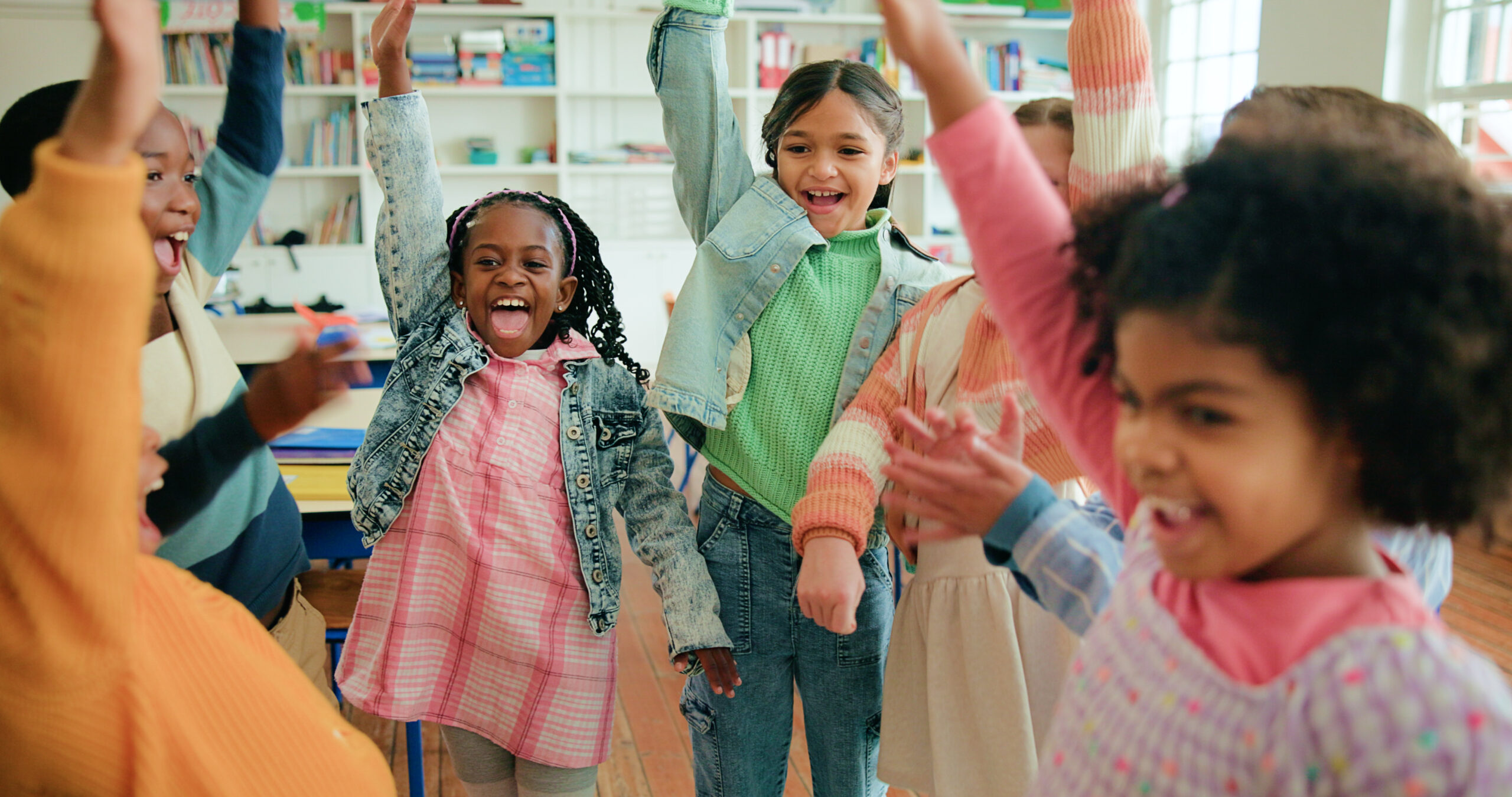
If you’ve toured several schools, you’ve probably noticed that Montessori classrooms look and feel different from traditional classrooms. Instead of rows of desks, teacher-led instruction, and one-size-fits-all lessons, you’ll find calm learning spaces where children are actively engaged, working independently, and exploring materials designed to spark curiosity.
At Ernest Webster Montessori School, we believe the classroom should inspire children to become confident, capable, and lifelong learners. Every aspect of a Montessori environment is intentionally designed to support your child’s academic, social, and emotional development.
So, what exactly makes a Montessori classroom different?
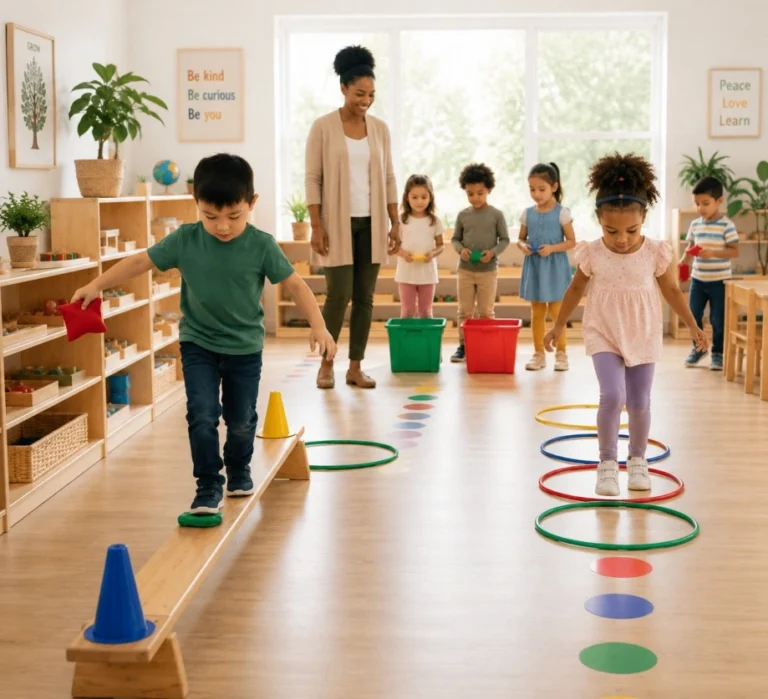
A Classroom Designed for Children
Everything in a Montessori classroom is created with children in mind.
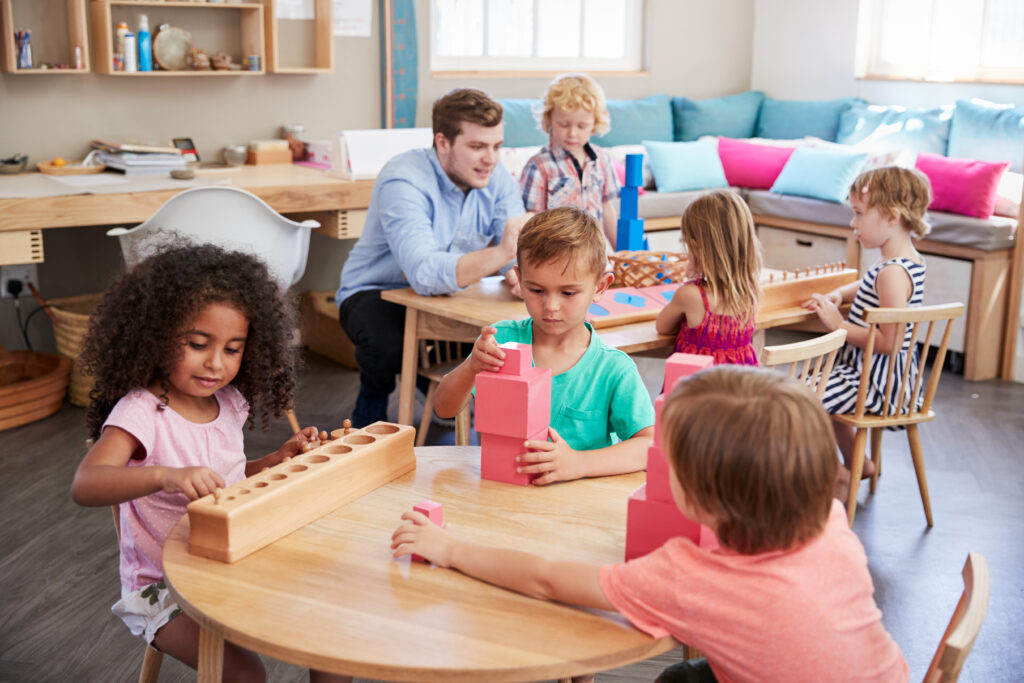
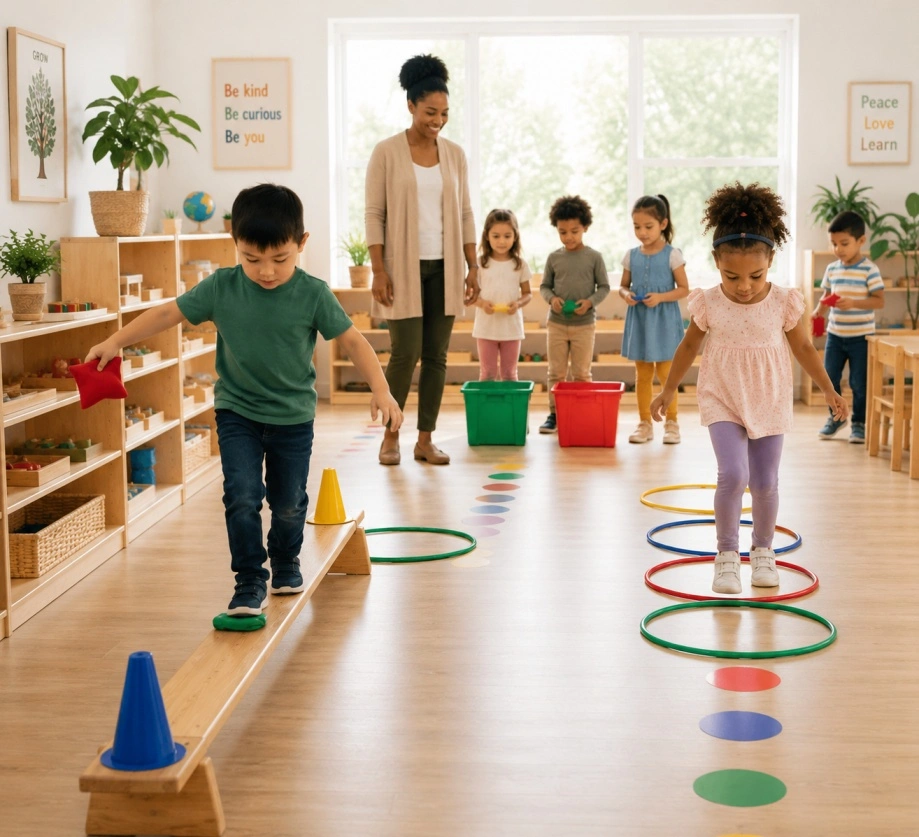
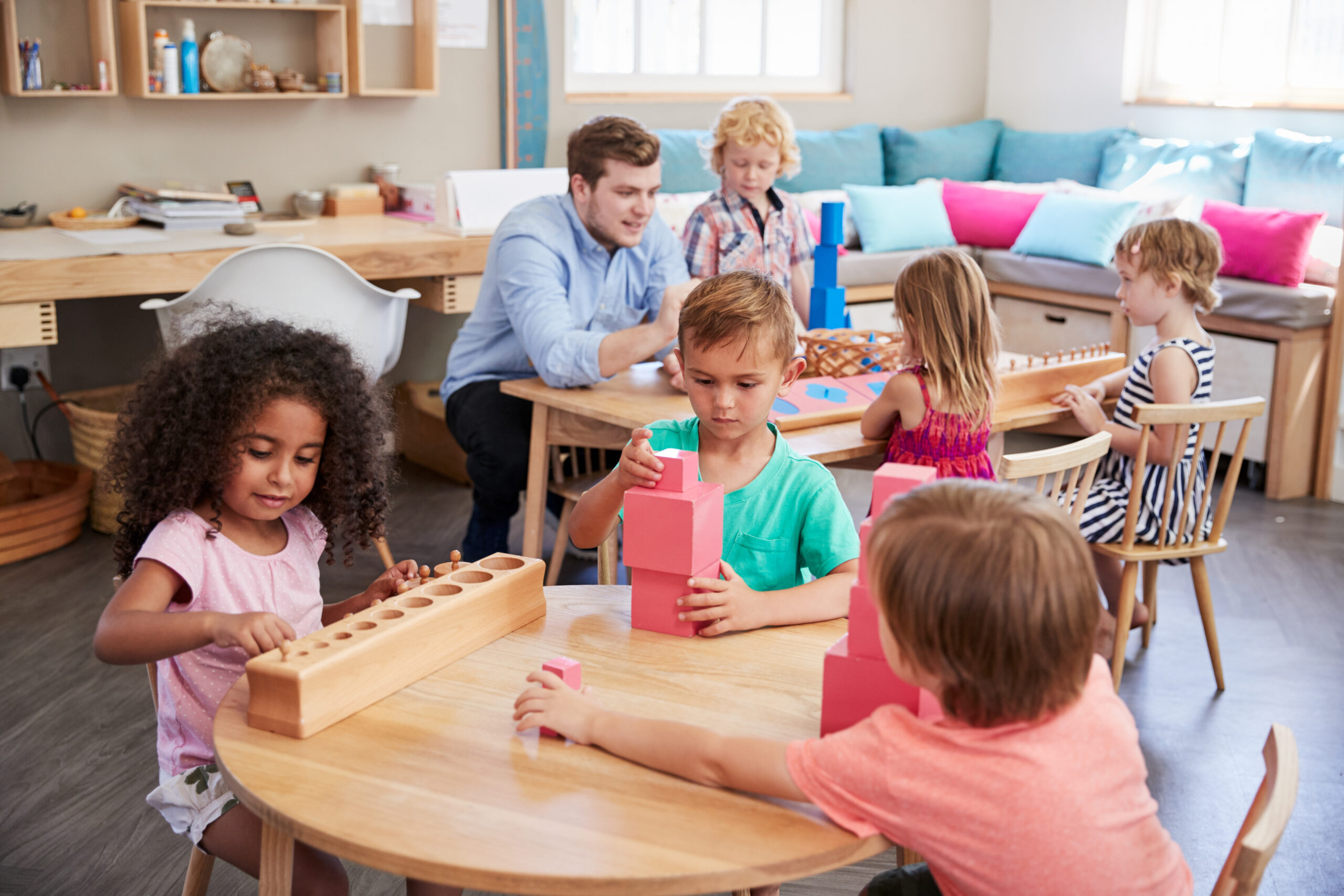
Furniture is child-sized, learning materials are easily accessible, and the classroom is organized to encourage independence. Students can confidently select activities, return materials to their proper place, and move throughout the room with purpose.
This thoughtfully prepared environment allows children to take ownership of their learning while developing responsibility and self-confidence.
Learning Through Choice
One of the biggest differences parents notice is that Montessori students are given meaningful choices throughout the day.
This doesn’t mean children can do whatever they want. Instead, teachers provide carefully planned lessons and guide students toward activities that support their individual learning goals.
Children learn how to make responsible decisions, manage their time, and develop self-discipline. These are valuable life skills that continue to benefit them well beyond the classroom.
Hands-On Learning
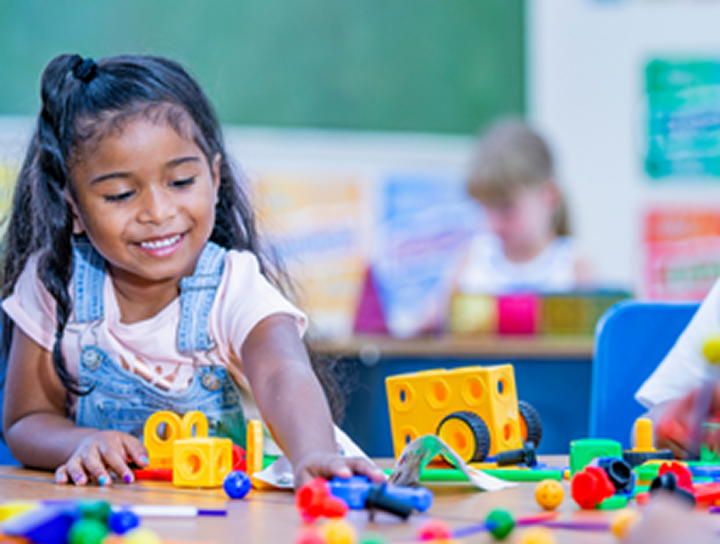
Children learn best when they can see, touch, and experience concepts for themselves.
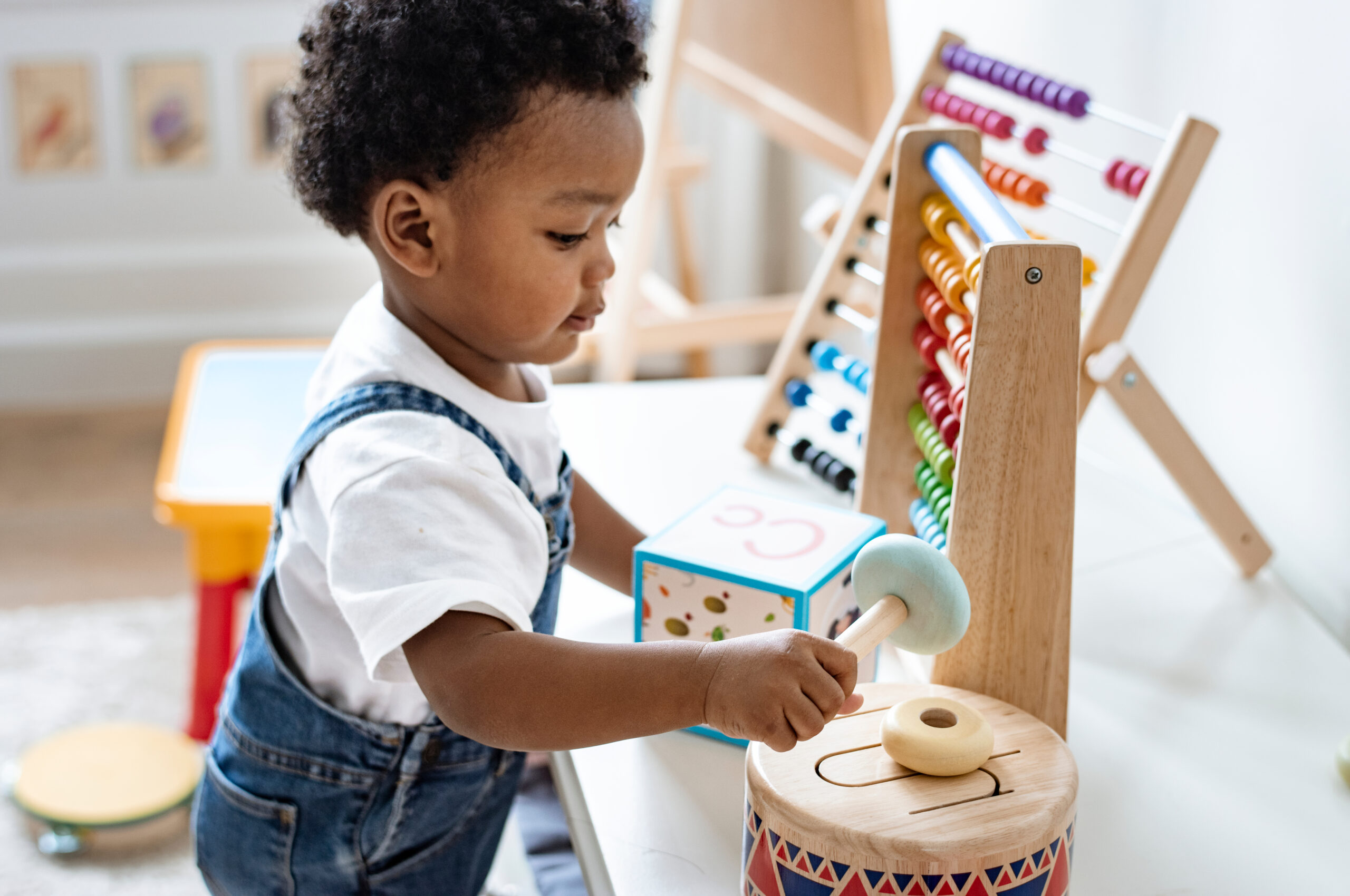
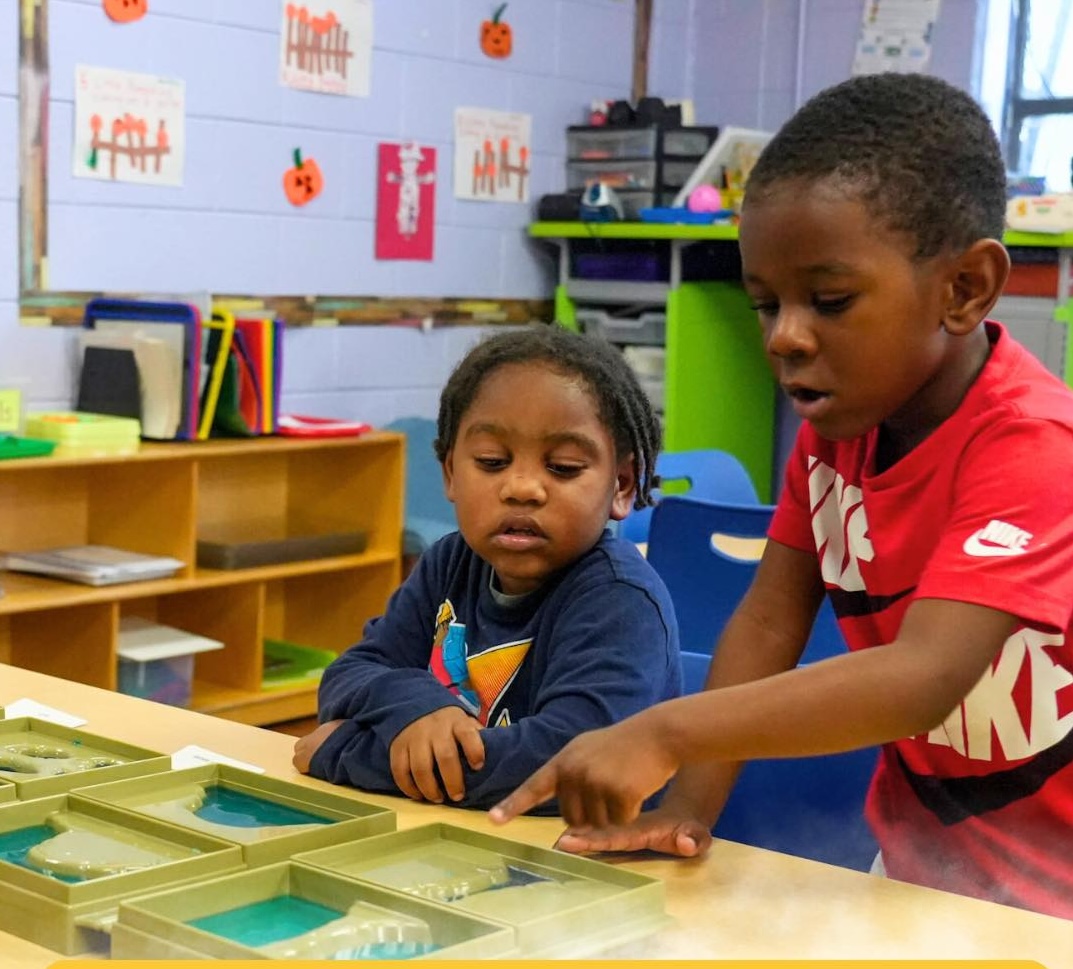
Instead of relying primarily on worksheets or lectures, Montessori classrooms use specially designed educational materials that make learning interactive and engaging.
Students may use beads to understand mathematics, sandpaper letters to develop early literacy skills, maps and globes to explore geography, or practical life activities that strengthen coordination and concentration.
4. A Love of Learning Develops Naturally
Children learn best when they can see, touch, and experience concepts for themselves.
Instead of relying primarily on worksheets or lectures, Montessori classrooms use specially designed educational materials that make learning interactive and engaging.
Students may use beads to understand mathematics, sandpaper letters to develop early literacy skills, maps and globes to explore geography, or practical life activities that strengthen coordination and concentration.
These experiences help children understand concepts more deeply because they are actively involved in the learning process.
Individualized Instruction
Every child learns differently.
Some children master new skills quickly, while others benefit from additional practice and repetition.
Rather than expecting every student to complete the same lesson at the same time, Montessori teachers observe each child’s progress and introduce new concepts when they are developmentally ready.
This personalized approach reduces unnecessary pressure while helping children build confidence through success.
Uninterrupted Work Time
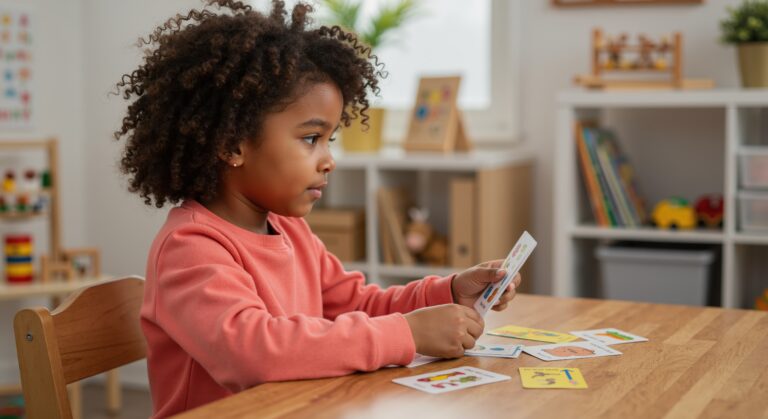
Montessori classrooms often include extended periods of uninterrupted work time.
Instead of changing activities every 20 or 30 minutes, children have the opportunity to become deeply focused on meaningful work.
During these longer learning periods, students develop concentration, persistence, and problem-solving skills while experiencing the satisfaction of completing tasks independently.
Learning becomes less about rushing from one activity to another and more about engaging with purpose.
Mixed-Age Learning Communities
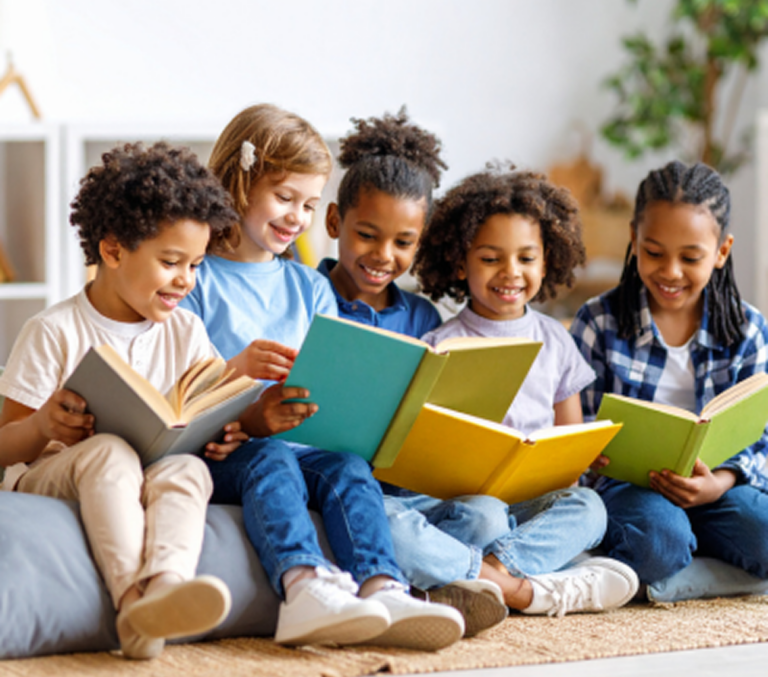
Unlike many traditional classrooms, Montessori environments often include children across a three-year age span.
This creates opportunities for collaboration that benefit every student.
Older children naturally develop leadership skills by helping younger classmates, while younger students learn by observing peers who are slightly ahead in their development.
This sense of community encourages kindness, patience, cooperation, and mutual respect.
Teachers as Guides
In a Montessori classroom, teachers play an active but different role.
Rather than standing at the front of the room delivering every lesson to the entire class, Montessori educators carefully observe each child, provide individualized instruction, and encourage students to become independent learners.
Teachers know when to step in with guidance and when to allow children the opportunity to solve problems on their own.
This balance helps children build confidence while knowing they have the support they need.es help create a positive learning community where kindness and responsibility become everyday habits.
A Calm and Respectful Environment
Montessori classrooms are intentionally peaceful.
Students are encouraged to move carefully, speak respectfully, and treat both classmates and classroom materials with care.
This atmosphere helps reduce distractions while creating a learning environment where children feel safe, focused, and valued.
Parents often comment on how calm and purposeful Montessori classrooms feel during their first visit.ividuals.
More Than Academic Growth
The world is changing rapidly.
Academic achievement is only part of a child’s development.
Montessori education also focuses on building character, independence, confidence, communication skills, and emotional intelligence.
Children learn how to:
- Solve problems independently
- Work cooperatively with others
- Respect differences
- Care for their environment
- Take responsibility for their actions
- Develop resilience when facing challenges
These life skills become just as valuable as reading, writing, and mathematics.
A Learning Environment That Inspires Confidence
At Ernest Webster Montessori School, our classrooms are designed to help children feel capable, curious, and excited to learn each day.
By providing individualized instruction, hands-on experiences, and a supportive learning community, we help children develop the skills they need not only for academic success but also for life.
Every lesson, material, and classroom experience has a purpose: helping each child reach their full potential.
Experience the Difference for Yourself
Reading about Montessori is a great first step, but nothing compares to seeing it in action.
As we prepare to open our doors this September, we invite families to visit Ernest Webster Montessori School, tour our classrooms, meet our educators, and experience firsthand what makes a Montessori education so unique.
Whether you’re exploring preschool options or looking for an educational environment that nurtures independence, curiosity, and confidence, we’d love to show you how Ernest Webster Montessori School can support your child’s journey.
“Schedule your tour today and discover the Montessori difference. We look forward to welcoming your family this fall.”