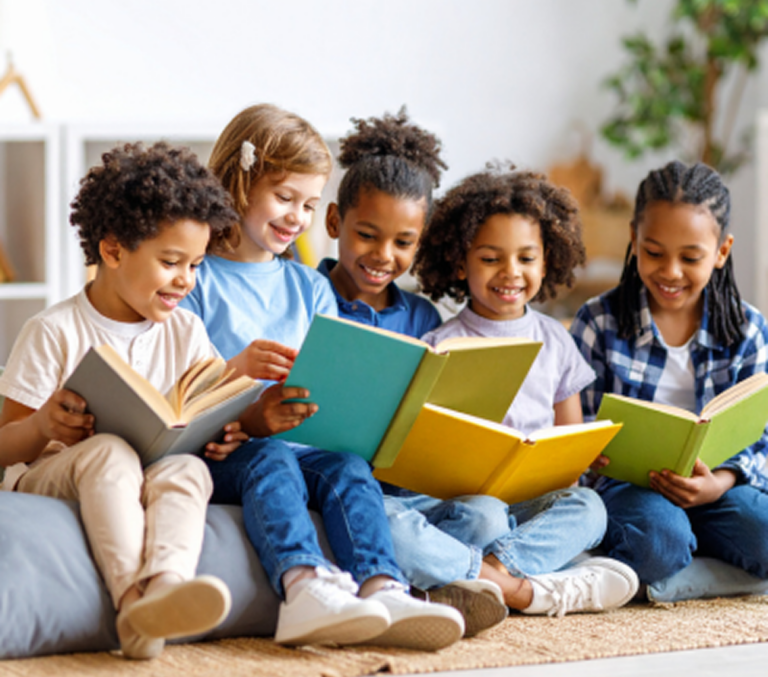
“When it comes to choosing the right school for your child, every parent wants an environment where learning feels exciting, meaningful, and personalized. Montessori education has helped children develop academically, socially, and emotionally for more than a century by focusing on the whole child rather than a one-size-fits-all approach.”
At Ernest Webster Montessori School, opening this September, we believe children learn best when they are encouraged to explore, discover, and grow at their own pace. Our classrooms are intentionally designed to foster confidence, independence, and a lifelong love of learning.
Here are ten reasons why families around the world continue to choose Montessori education.
1. Children Learn at Their Own Pace
Every child develops differently. Some begin reading earlier, while others excel in mathematics, science, art, or practical life skills first.
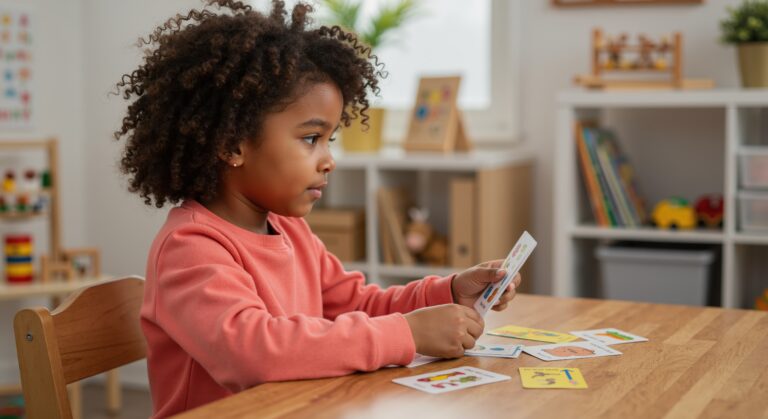
Rather than expecting every student to master the same lesson on the same day, Montessori teachers observe each child’s development and provide individualized lessons that meet them where they are.
This personalized approach allows children to build confidence instead of feeling pressured to keep up or held back while waiting for others.
2. Independence Is Encouraged Every Day
One of the most recognizable qualities of Montessori students is their confidence.
Children are encouraged to make choices, care for their classroom, organize their work, and complete tasks independently. These everyday responsibilities teach accountability while helping students develop the confidence to solve problems on their own.
These life skills extend far beyond the classroom.
3. Hands-On Learning Makes Concepts Easier to Understand
Children learn best when they can actively experience new ideas.
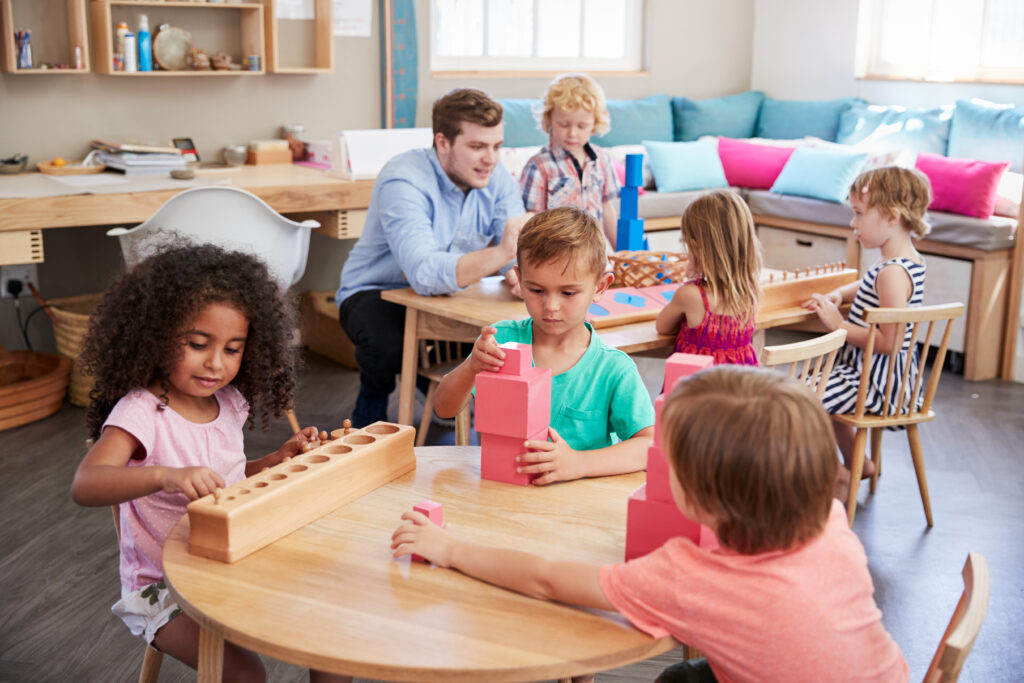
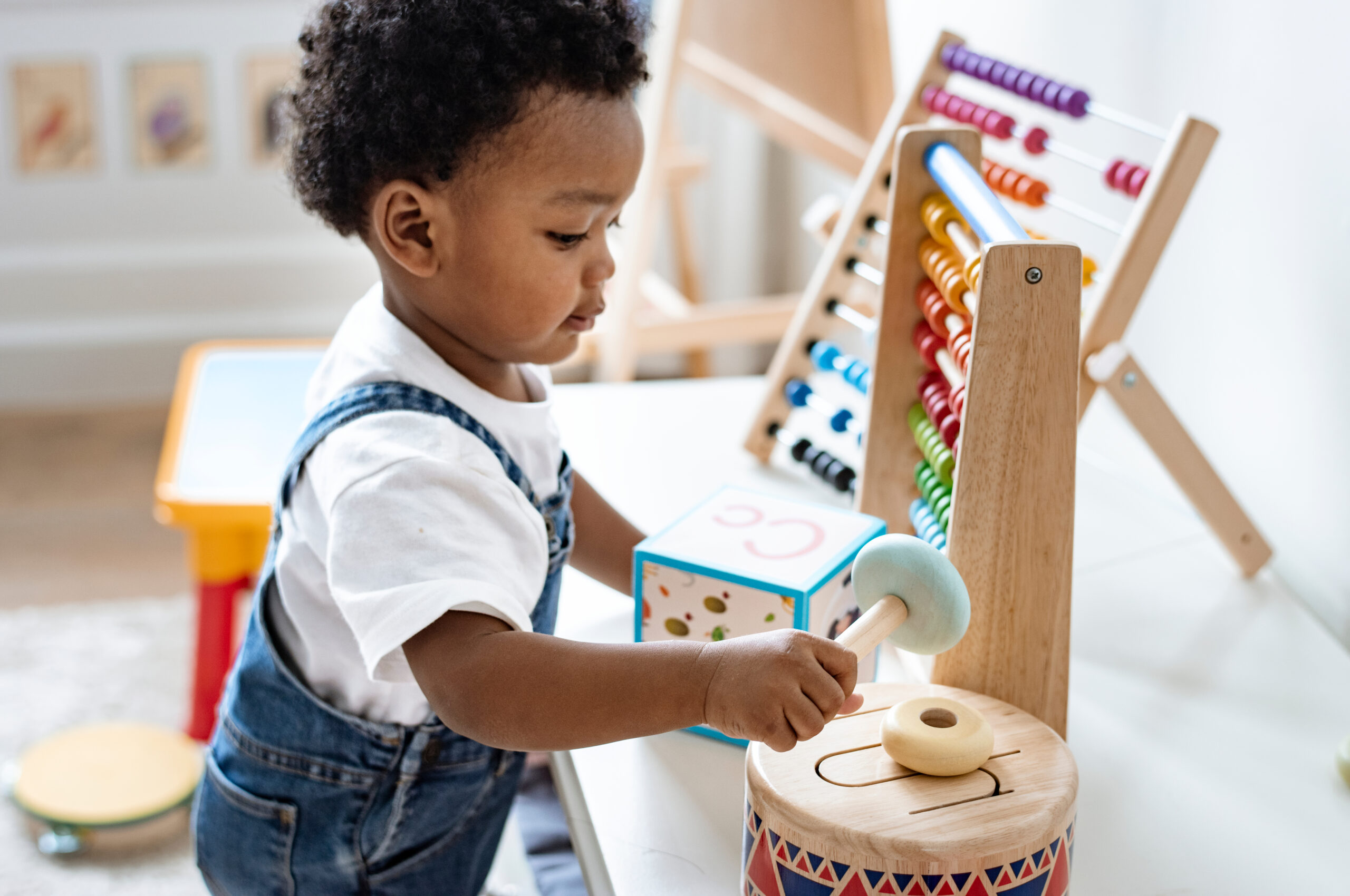
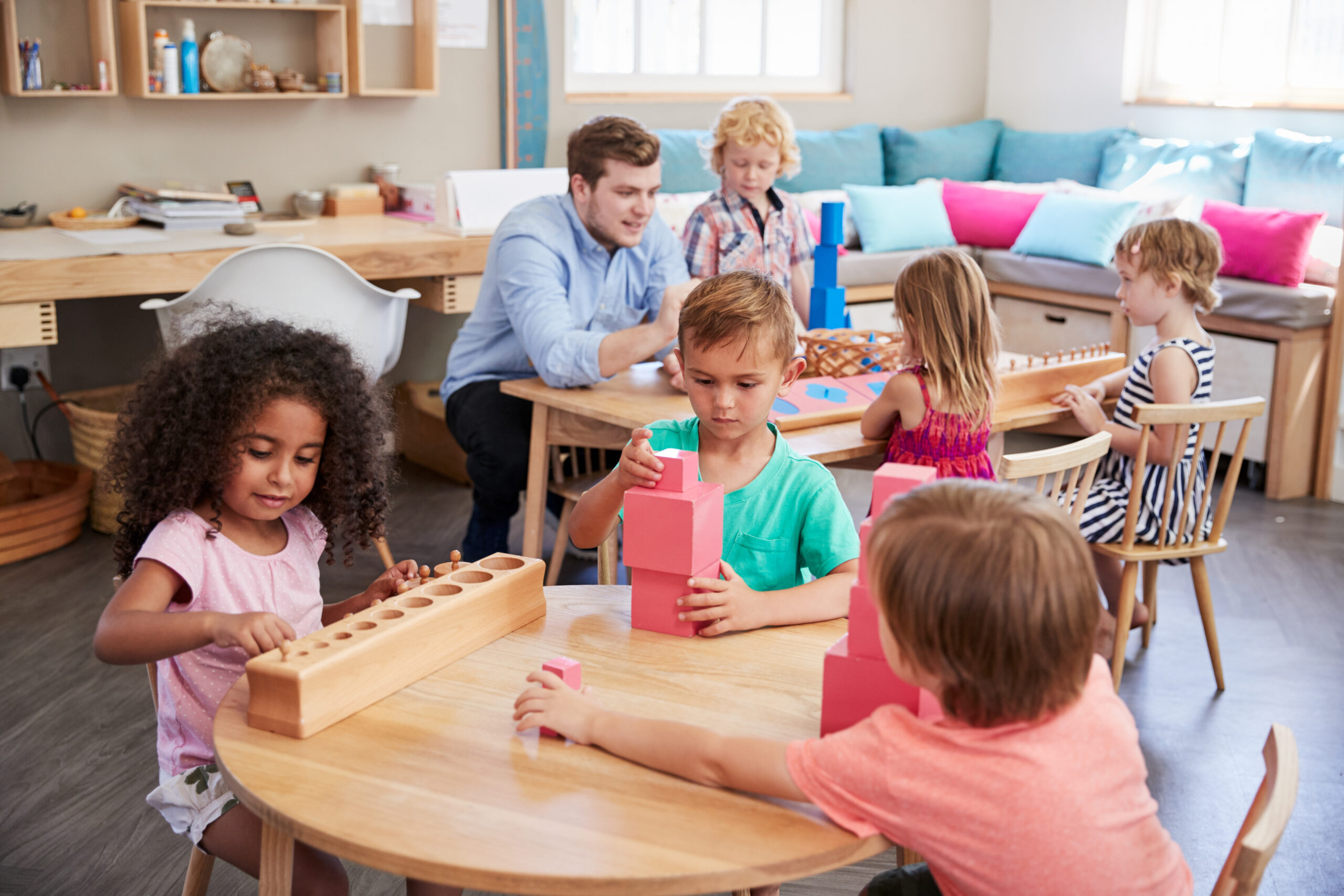
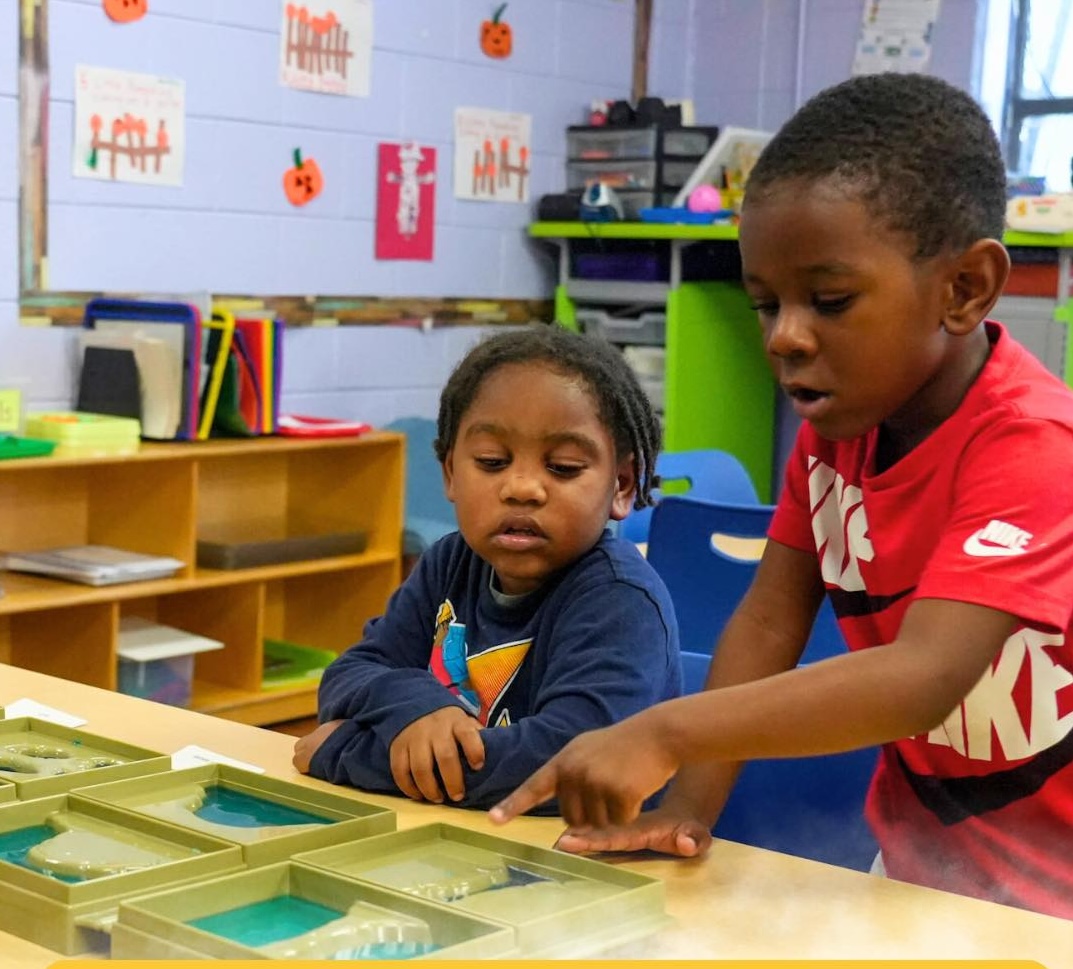
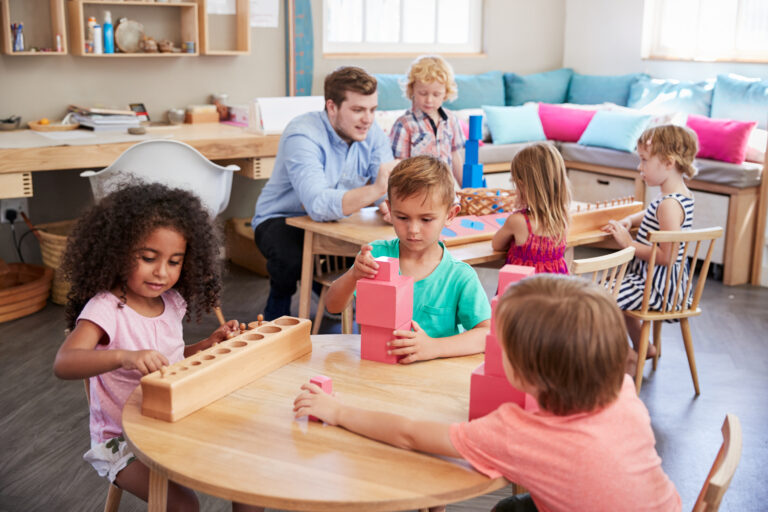
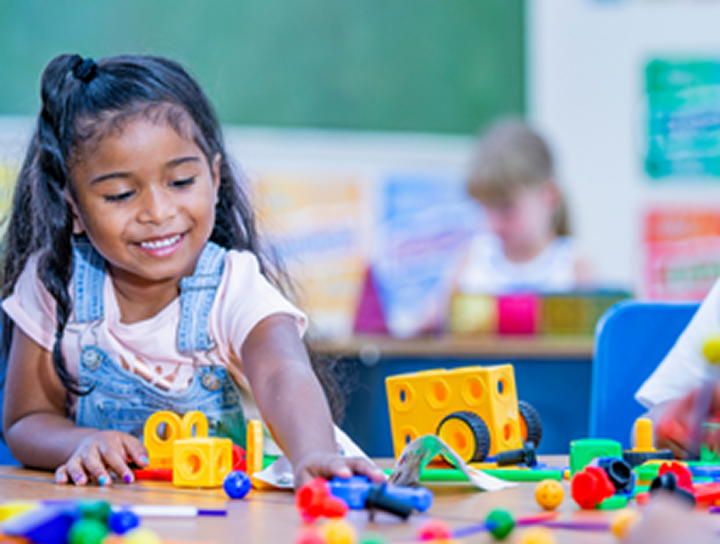
Montessori classrooms use carefully designed learning materials that allow students to see, touch, move, sort, build, and explore concepts rather than simply memorizing information.
Whether learning numbers, letters, geography, or science, students actively participate in the learning process.
Hands-on experiences often lead to deeper understanding and longer retention.
4. A Love of Learning Develops Naturally
Instead of learning simply to earn grades or prepare for tests, Montessori students are encouraged to become curious learners.
Children are given meaningful choices within structured lessons, allowing them to pursue their interests while developing responsibility and self-discipline.
When children enjoy learning, education becomes something they look forward to rather than something they simply have to do.
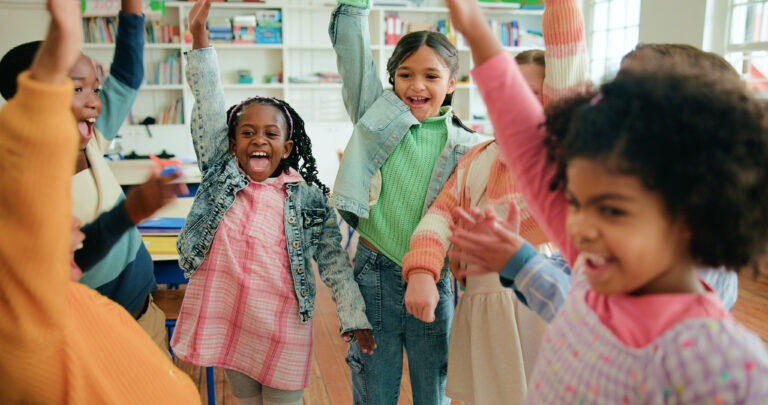
5. Social Skills Grow Through Collaboration
Montessori classrooms often include children of different ages learning together.
This creates opportunities for younger students to observe older classmates while giving older children opportunities to mentor and lead.
Students learn to:
- Communicate respectfully
- Work together
- Resolve conflicts peacefully
- Celebrate one another’s successes
- Develop empathy and patience
These social skills become valuable throughout life.
6. Critical Thinking Is Part of Every Lesson
Rather than providing every answer, Montessori teachers encourage students to ask questions, investigate ideas, and solve problems independently.
Children become active thinkers who learn how to analyze situations instead of simply memorizing information.
This develops confidence while strengthening decision-making and problem-solving skills.
7. The Classroom Supports Focus and Concentration
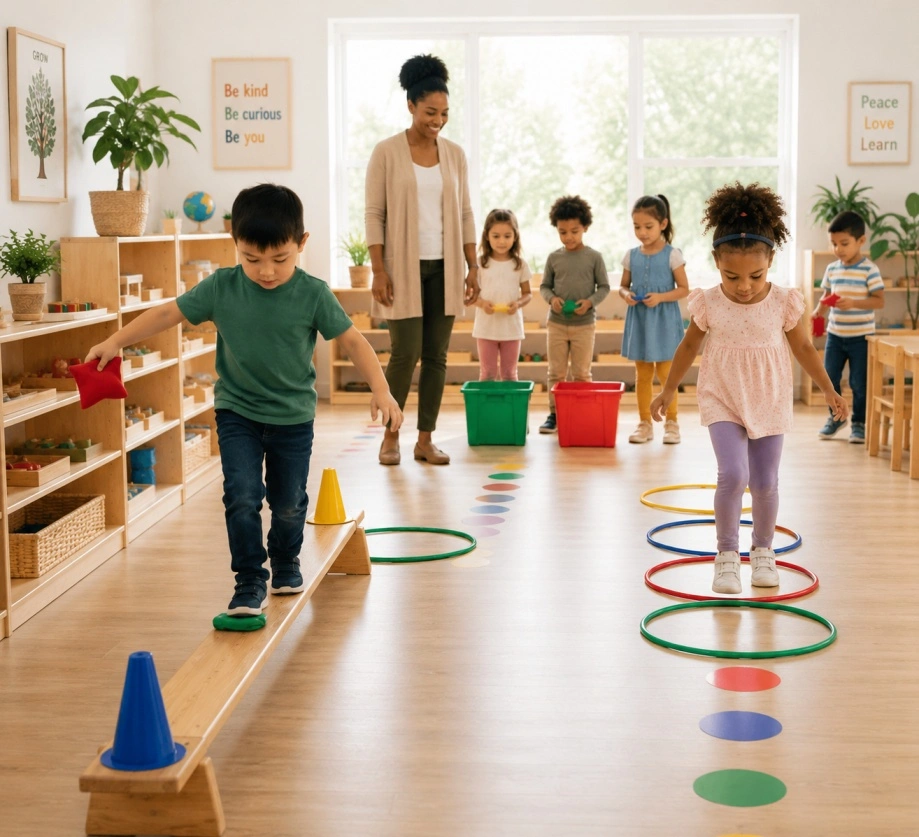
Montessori classrooms are intentionally calm, organized, and thoughtfully prepared.
Children have uninterrupted work periods that allow them to fully engage with activities without constantly changing subjects every few minutes.
As children become deeply engaged in meaningful work, they naturally develop stronger concentration skills that support future academic success.
8. Respect Is Woven Into Daily Learning
Respect is one of the cornerstones of Montessori education.
Students learn to respect:
- Themselves
- Their classmates
- Their teachers
- Classroom materials
- Their environment
These values help create a positive learning community where kindness and responsibility become everyday habits.
9. Children Develop Real-Life Skills
Montessori education isn’t focused only on academics.
Students also practice practical life activities that build independence and responsibility, such as:
- Cleaning up after themselves
- Caring for classroom materials
- Organizing their workspace
- Preparing simple snacks
- Working cooperatively with classmates
- Managing daily routines
These experiences help children become capable, confident individuals.
10. Montessori Prepares Children for Lifelong Success
The world is changing rapidly.
Today’s children will need creativity, adaptability, collaboration, communication, and problem-solving skills throughout their lives.
Montessori education helps students develop these essential qualities while building a strong academic foundation.
Instead of simply teaching children what to think, Montessori teaches them how to think.
Why Families Are Choosing Ernest Webster Montessori School
As we prepare to open our doors this September, our mission is to provide an environment where children feel inspired to learn, confident to explore, and supported every step of the way.
Our classrooms are thoughtfully designed to encourage independence, creativity, academic growth, and strong character while recognizing the unique strengths of every child.
We are excited to welcome families who are looking for an educational experience that nurtures both the mind and the heart.
Schedule Your Personal Tour
The best way to experience Montessori education is to see it firsthand.
We invite you to visit Ernest Webster Montessori School, tour our classrooms, meet our educators, and discover how our learning environment can help your child thrive.
“Enrollment is now open for our inaugural school year beginning this September. Contact us today to schedule a tour and learn how Montessori education can make a lasting difference in your child’s future.”