“Choosing the right school is one of the most important decisions you’ll make for your child’s future. If you’ve been researching educational options, you’ve likely come across Montessori schools and wondered what makes them different. More importantly, you may be asking: Is Montessori the right fit for my child?“
At Ernest Webster Montessori School, we believe every child has unique strengths, interests, and abilities. Rather than expecting every student to learn the same way or at the same pace, the Montessori approach is designed to help children grow into confident, curious, and independent learners.
As we prepare to welcome our first students this September, we’d like to share what makes a Montessori education unique and why so many families are choosing this approach for their children.
What Is Montessori Education?
Developed by Dr. Maria Montessori over a century ago, Montessori education is built on a simple belief: children learn best when they are actively engaged in their own learning.
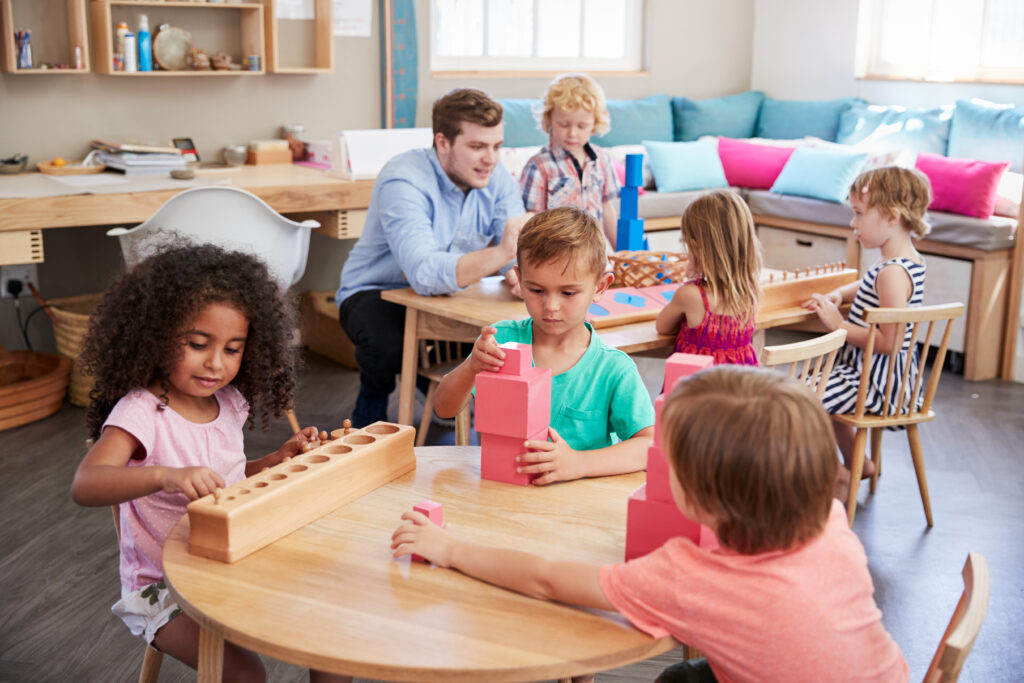
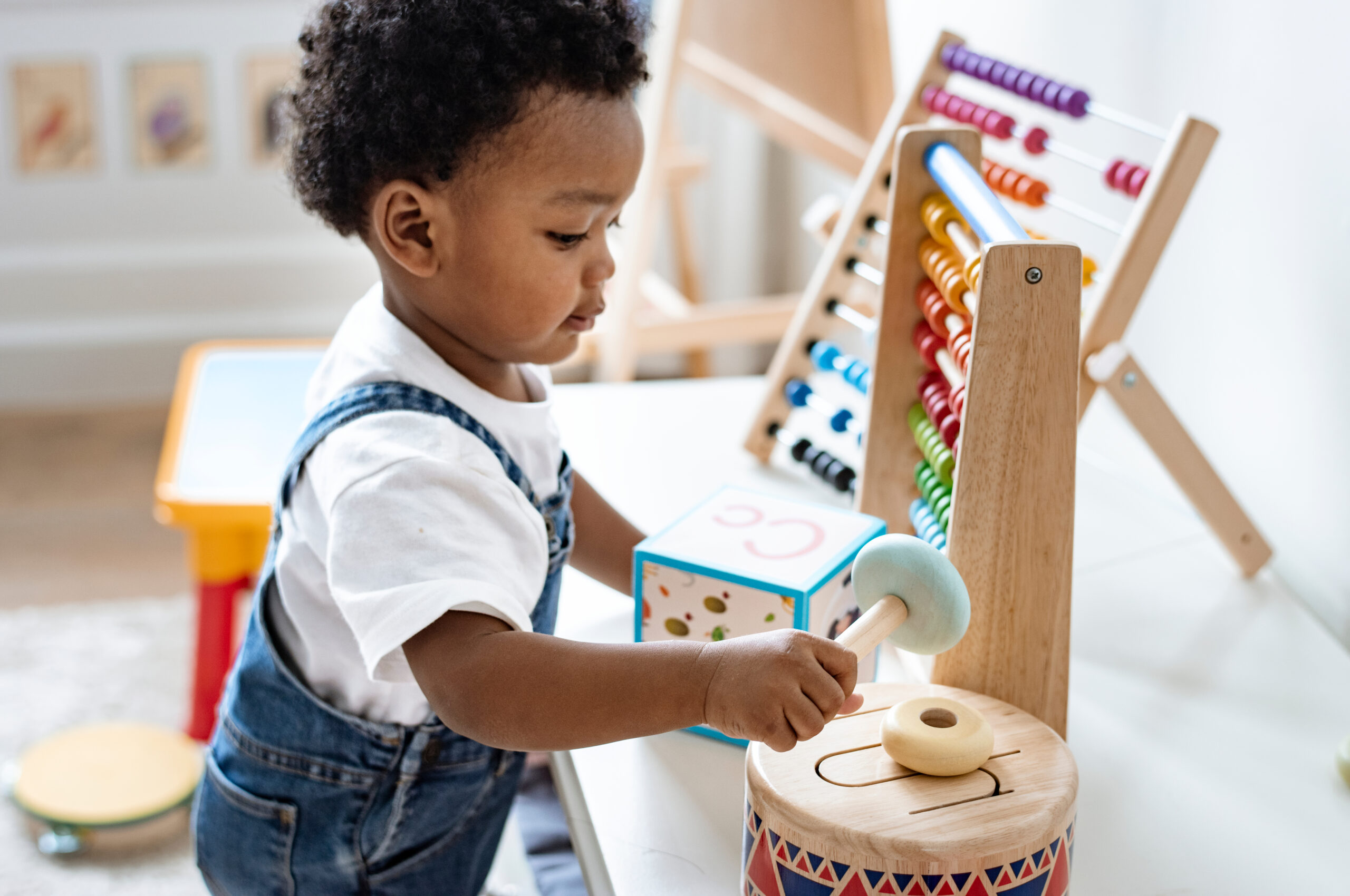
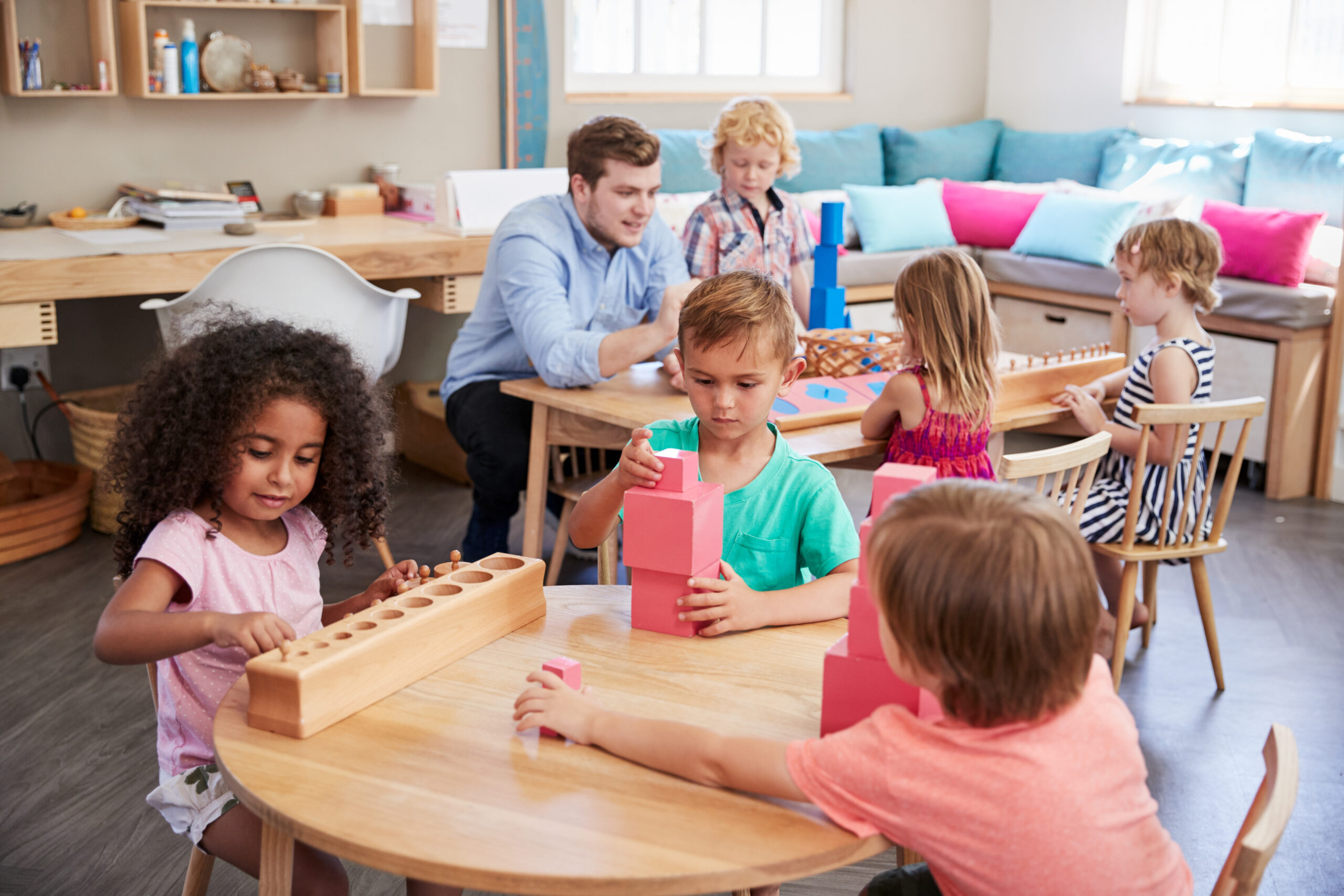
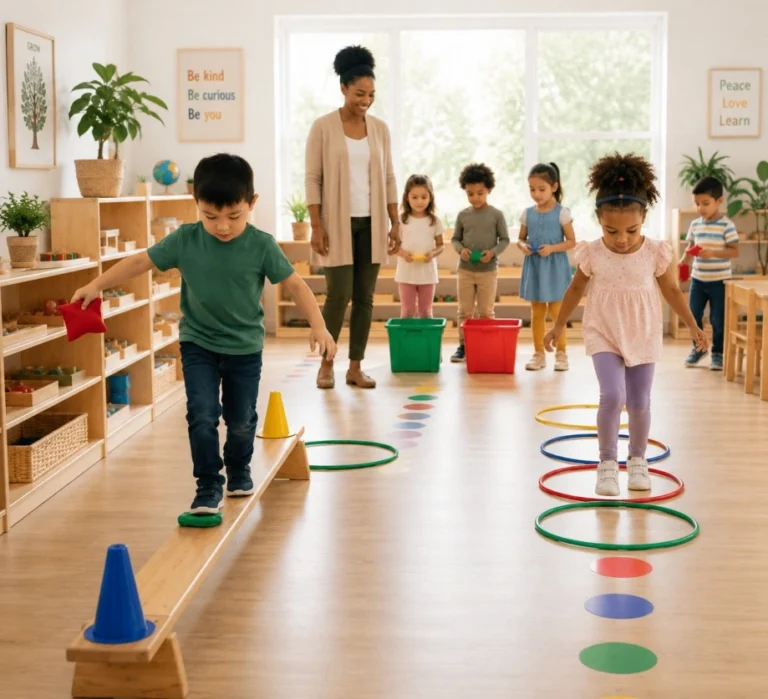
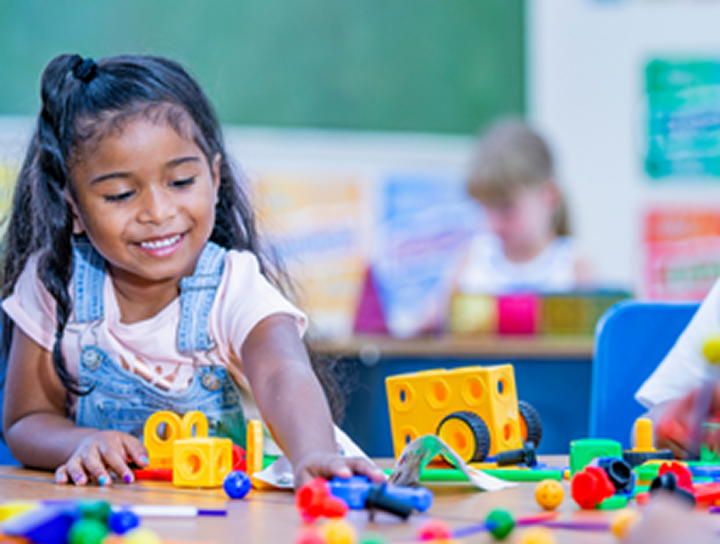
Instead of spending the day listening to lectures or completing worksheets, Montessori students explore carefully designed learning materials, solve problems, collaborate with classmates, and develop real-world skills through hands-on experiences.
Teachers serve as guides, observing each child’s progress and providing lessons that match their individual stage of development.
This creates an environment where children are encouraged to ask questions, think critically, and develop a genuine love of learning.
Signs Montessori May Be the Right Choice
While Montessori can benefit many children, parents often notice that their child naturally enjoys experiences that align with this educational philosophy.
Your child may thrive in a Montessori environment if they:
- Enjoy exploring and discovering new things independently
- Like hands-on activities rather than simply watching or listening
- Ask lots of questions
- Show curiosity about how things work
- Prefer learning through experience
- Take pride in completing tasks on their own
- Enjoy helping others
- Learn at their own pace
Many parents are surprised to learn that Montessori isn’t designed for only one type of child. Both energetic learners and quieter, more reflective children often thrive because each student receives individualized guidance.
Learning at Their Own Pace
One of the biggest differences between Montessori and traditional classrooms is that children are not expected to move through lessons at exactly the same speed.
Every child develops differently.
Some children begin reading early, while others excel in mathematics, science, art, or practical life skills before becoming strong readers.
Instead of comparing children against one another, Montessori educators focus on helping each student make continuous progress based on their own abilities.
This individualized approach helps build confidence while reducing unnecessary pressure.
Building Independence Every Day
Independence isn’t something children suddenly develop as teenagers. It begins with small responsibilities during the earliest years of learning.
In a Montessori classroom, children learn to:
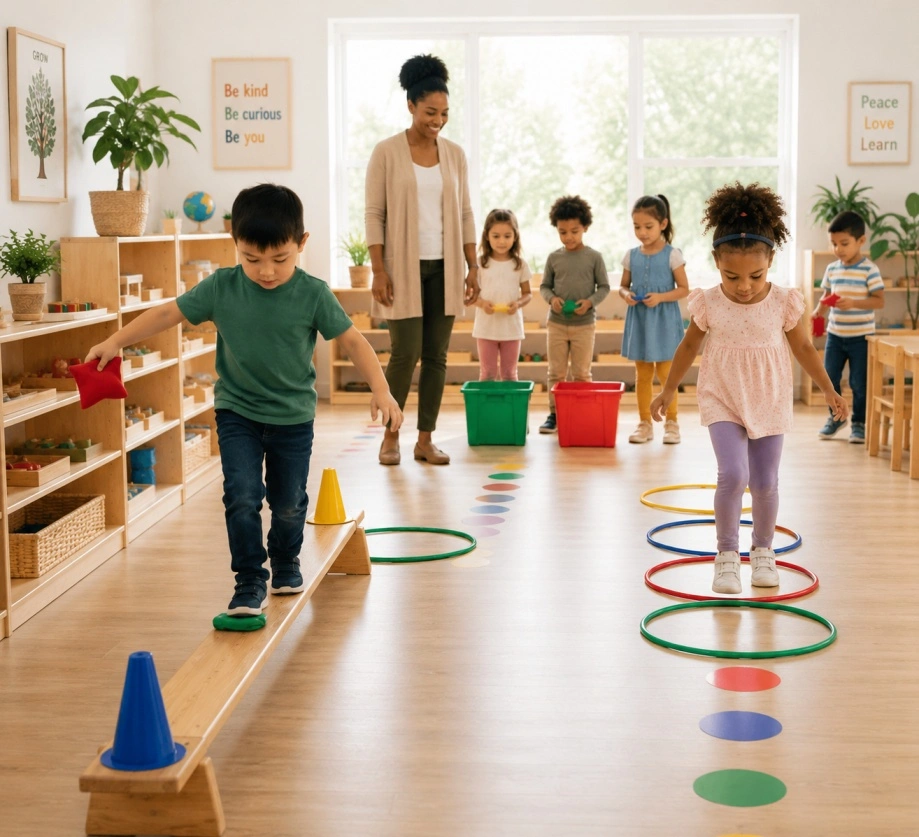
- Care for their classroom environment
- Organize their work
- Make thoughtful choices
- Complete tasks independently
- Solve age-appropriate problems
- Respect shared spaces and materials
These daily experiences help children develop confidence that extends well beyond the classroom.
Developing Social Skills Naturally
Montessori classrooms often include children of multiple ages learning together.
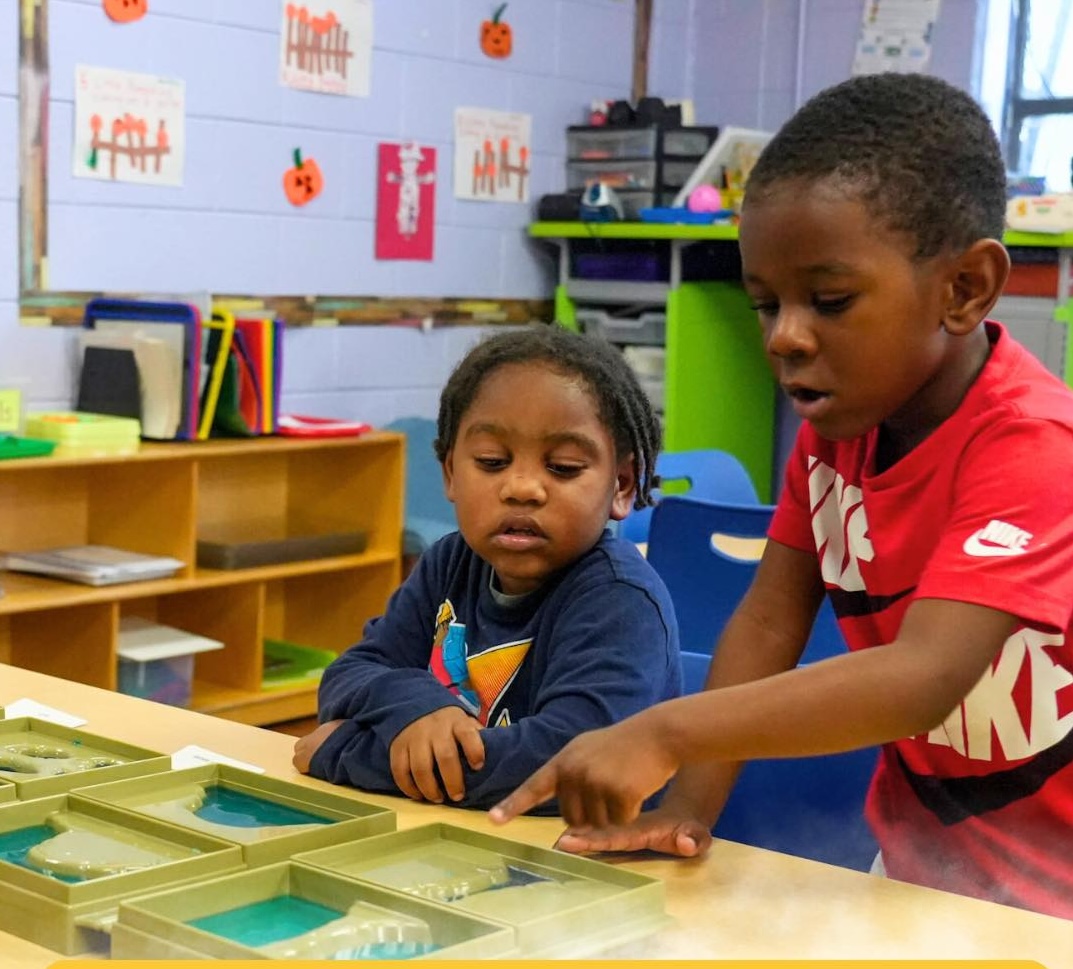
Older students naturally become mentors, while younger children gain confidence by observing classmates who are slightly ahead of them.
Rather than competing against one another, students learn to collaborate, communicate respectfully, and celebrate each other’s successes.
These experiences help develop empathy, leadership, patience, and strong interpersonal skills that serve children throughout life.
More Than Academics
Academic success is important, but education should also help children become capable, responsible, and compassionate individuals.
Montessori education focuses on developing the whole child by supporting:
- Academic growth
- Emotional development
- Social confidence
- Creativity
- Critical thinking
- Independence
- Responsibility
- Problem-solving skills
Children learn how to think, not simply what to memorize.
Is Montessori Good Preparation for the Future?
Absolutely.
Today’s world values creativity, adaptability, communication, and critical thinking more than ever before.
Montessori education helps children develop these essential life skills while also building strong academic foundations.
Students learn how to:
- Think independently
- Work collaboratively
- Solve problems creatively
- Manage their time
- Stay curious
- Take responsibility for their learning
These abilities prepare children not only for future classrooms but also for lifelong success.
Why Families Choose Ernest Webster Montessori School
As a new Montessori school opening this September, Ernest Webster Montessori School is committed to creating an environment where every child feels seen, supported, and inspired.
Our classrooms are designed to encourage curiosity, independence, creativity, and confidence while providing the individualized attention children deserve.
We understand that choosing a school is a major decision, and we invite families to experience our learning environment firsthand.
Why Families Choose Ernest Webster Montessori School
The best way to determine whether Montessori is right for your child is to visit our campus.
During your tour, you’ll have the opportunity to:
- Explore our classrooms
- Learn about the Montessori philosophy
- Meet our educators
- Ask questions about enrollment
- Discover how Ernest Webster Montessori School can support your child’s educational journey
We look forward to welcoming your family and helping your child develop a lifelong love of learning.
“Enrollment is now open for our inaugural school year beginning this September. Contact Ernest Webster Montessori School today to schedule your personal tour and learn more about our programs.”